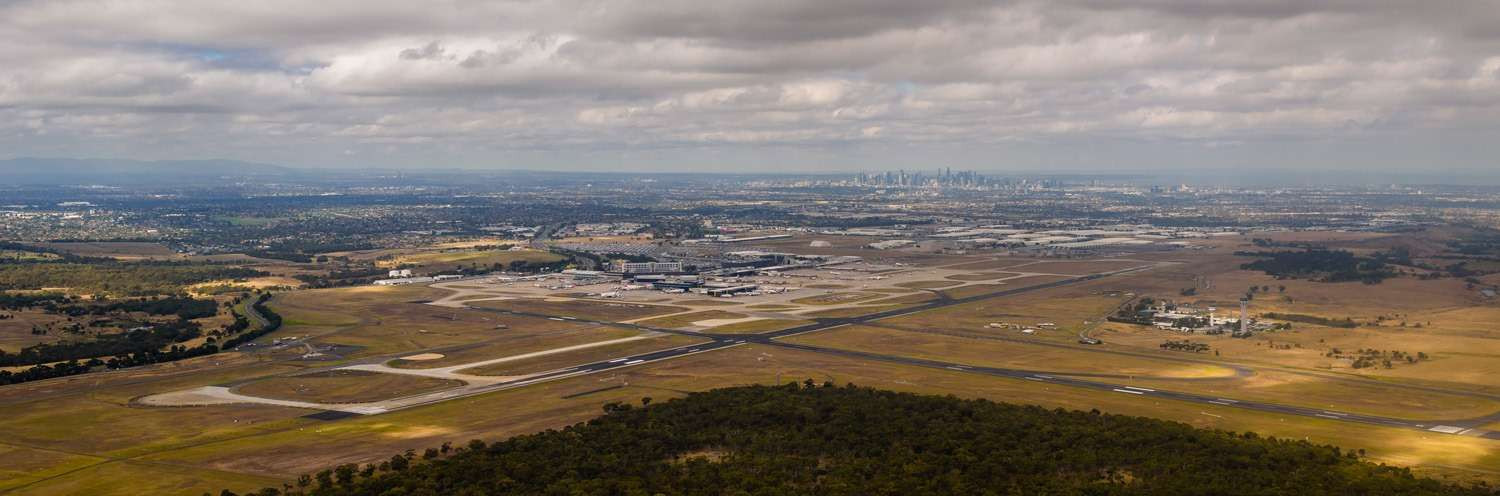
For decades, Melbourne Airport has operated with two intersecting runways – a north-south runway and an east-west runway. This layout was sufficient when flight numbers were lower and schedules were less congested.
However, demand for air travel is much higher today. More flights, fuller schedules and heavier use of the airfield mean the intersecting runway layout leaves little room to adjust when disruptions and delays occur, particularly during peak periods or bad weather.
Melbourne Airport’s Third Runway Project is designed to address this challenge. By moving to a parallel north-south runway system, the airport can reduce bottlenecks, improve reliability and support smoother operations as travel demand continues to grow.
Why is now the time to build a third runway?
Airports work best when aircraft can take off and land without delay. At Melbourne Airport, the two existing runways cross each other, which means only one plane can land or take off at a time. This means delays can quickly stack up during busy periods.
Introducing a parallel runway system – where planes can take off and land simultaneously - increases our flexibility, reliability and resilience. This is an important step with tens of thousands more flights expected in the coming decades.
A new parallel runway in a north-south direction creates two runways that can be used side by side. This makes it easier to keep flights moving, especially in the early morning and late afternoon when the airport is at its busiest. This will help the airport recover more quickly if weather or other disruptions occur.
So why build this new runway now, rather than later?
Melbourne’s population is growing quickly. It’s set to reach six million people by 2032. More people means more flights, more freight and more pressure on the airport. Waiting would mean trying to solve these issues once delays are already common.
Passenger numbers are forecast to more than double. Melbourne Airport currently handles around 36 million passengers a year. That number is expected to grow to 76 million by 2042. The current intersecting runways were not designed for that level of demand.
Busy morning peaks are already pushing the system to its limit. The routes of approximately 60 per cent of all aircraft operating domestic and narrow body short-haul international flights typically cycle through Melbourne Airport each and every weekday. When delays occur during peak times, they can spread quickly and take longer to clear.
Some of the country’s busiest routes rely on Melbourne. Six of Australia’s 10 busiest domestic routes operate through Melbourne Airport. Unlike many major airports around the world, Melbourne does not yet have parallel runways, which makes it harder to keep these high-volume routes running on time.
This project is not a last-minute fix. Long-term development plans for Melbourne Airport have included a four-runway configuration since the 1960s.
A third runway is also part of the airport’s long-term Master Plan, which is a 20-year blueprint that sets out how the airport intends to grow as demand increases. Building the runway now allows that growth to happen in a planned, orderly way.
How will the new runway make travel smoother for passengers?
For most travellers, a smooth experience comes down to one thing: flights running when they’re supposed to. When schedules stay on track, everything else – from check-in to boarding to getting home on time – tends to work better too.
The new runway is designed to help us manage busy periods and reduce the knock-on effects when delays happen. Here’s what that means in everyday terms:
More reliable departure and arrival times: With two runways operating side by side, aircraft don’t need to wait as long for a clear opportunity to take off or land. This helps flights leave and arrive closer to schedule, especially during peak times.
Less pressure during busy parts of the day: Extra runway capacity reduces congestion and delays on the airfield, which can make the airport feel calmer and more predictable on busy days.
More flight options over time: As capacity increases, airlines have more room to add new services or adjust schedules. Over the long term, this can mean more choice of flight times and destinations.
A smoother travel experience is about consistency – knowing that the airport can handle busy days, recover quickly from disruptions, and give travellers a journey that feels familiar and dependable as demand grows.
When will we start to see these changes take shape?
Large infrastructure projects take time. Before a new runway can be used, there are years of planning, construction and testing required to make sure everything is safe and works as it should.
The current timeline for the Third Runway Project is:
2024 – Federal Government approved the project
2025 – Preliminary works began, including site preparation
2026 – Main construction works set to commence
2030-2031 – Testing and operational readiness activities to ensure the runway is ready for operation
2031 – When we expect commercial flights to use the new runway for the first time
With a project of this size, some dates may shift as work progresses. We’ll continue to share regular updates so the community can see how each stage is tracking and what to expect next. We encourage you to sign up for updates, go through the resources on our Major Projects Hub and send us an email at newrunway@melair.com.au.
We want to keep you in the loop every step of the way as we develop this project – which is one of the largest infrastructure projects in our history.