Melbourne is growing fast. As more families and businesses call Victoria home, the demand on Melbourne Airport keeps on building.
This pace of growth shapes the way local businesses operate and broadens the opportunities available for workers. Because when the city expands, the infrastructure that supports it needs to keep pace too.
That’s why we need a Third Runway at Melbourne Airport. It’s a practical step shaped by years of planning. And it will support the needs of our state and the broader Australian economy well into the future.
The new runway will give us the capacity we need so the businesses and workers who depend on our infrastructure have a strong foundation for the years ahead.
What Kind of Work Will Be Created During Construction?
When a major project of this scale starts to take shape, it brings a wide mix of work to the region. The early activity begins with preliminary works to prepare the site and grows steadily as the runway footprint, new taxiway connections and upgrades around the precinct progress.
With construction works happening across multiple parts of the site now and in the coming years, there’s room for a broad range of skills to play a part. Here’s the type of work expected across this stage of the project:
Trades supporting earthworks, concreting and pavement construction
Heavy machinery operators working across the runway footprint
Civil engineers, surveyors and design specialists
Cultural heritage teams guiding on-site processes
Environmental monitoring crews managing soil, water and habitat
Roadwork teams supporting access changes and connections around the precinct
Site services staff supporting daily construction activity
And, of course, safety staff ensuring all these works are done with safety as the top priority
It’s the kind of work that gives locals a chance to be part of the project from the very beginning, well before aircraft start taking off from the new runway.
How Will Local Businesses Benefit While the New Runway is Being Built?
As work gets underway, the ripple effects will reach well beyond the fence line. A project like this means more than just workers onsite at Tullamarine Airport. We also need support from businesses across the region.
Here are some of the ways that local operators are expected to support the build:
Supplying core construction materials like gravel, asphalt, concrete and fencing
Supporting stormwater and drainage works through specialist contracting
Providing accommodation and transport for crews and contractors
Servicing on-site retail, food and café needs as the workforce grows
Offering local expertise in geotechnical work, surveying, testing and project logistics
Handling freight and haulage for high-volume material movement
Whether it’s materials, logistics or services, the activity around the runway build gives local businesses a chance to contribute to a project that will support Victoria well into the future.
What Opportunities Will Open Up Once the New Runway Begins Operating?
By adding another runway with the same orientation as the existing north-south runway, we’ll create parallel runway system. This allows more aircraft to take off and land at the same time.
This will mean the airport can move more passengers more reliably every day, creating long-term roles for people across the airport precinct. From aircraft handling to retail and support services, the need for a skilled, on-site workforce grows as activity increases.
Here are just some of the jobs expected once the new runway is operational:
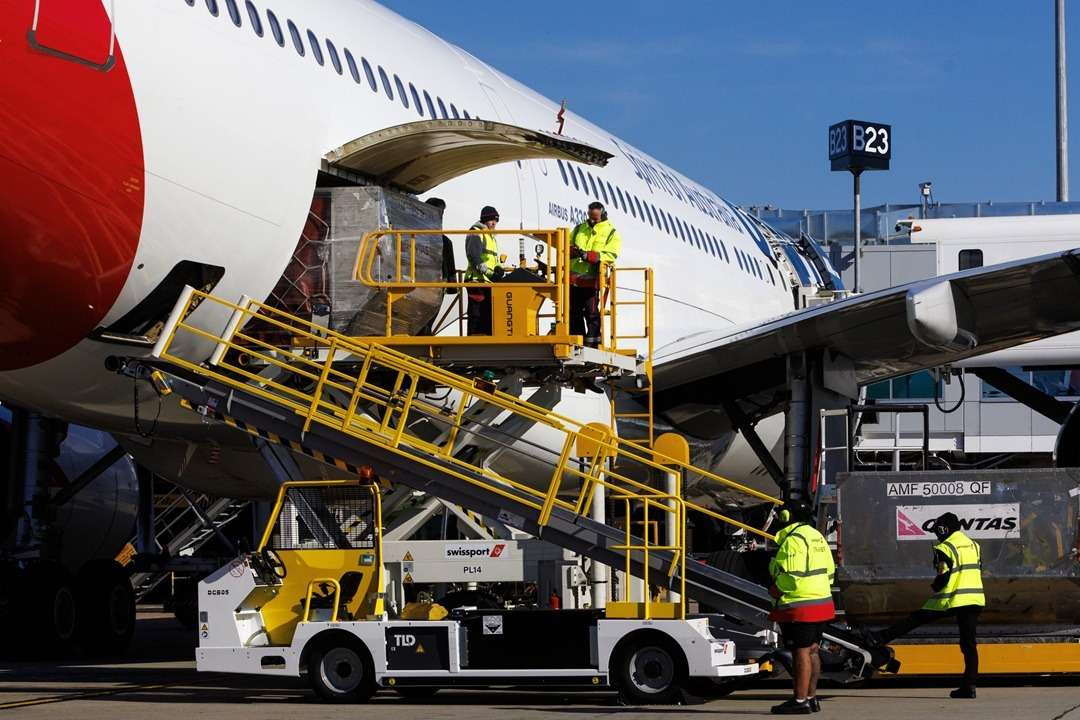
Baggage and ground handling services to support increased aircraft movements
Security and screening staff managing higher daily passenger volumes
Aviation roles supporting aircraft turnaround, refuelling and marshalling
Terminal and ground transport staff assisting with passenger flows
Cleaning, maintenance and airfield operations crews
Retail, food and customer service roles within terminals and precinct shops
Administrative and operational jobs supporting day-to-day service delivery
Over time, this growth is expected to support more than 37,000 new jobs across Victoria by 2046.
Will the Third Runway Strengthen Local Industries Beyond the Airport?
It will, and not in small ways either. The more reliable our air connections become, the more room there is for local industries to grow. You will see it in the way tourism gets a lift, in how freight moves more smoothly and in how international students find it easier to get here and settle in.
That kind of flow-on effect doesn’t just help one part of the economy. It supports businesses right across the state. Here are some of the industries expected to benefit once our third runway is up and running:
Tourism operators welcoming more visitors - from across Australia and the world - through more frequent flights
Exporters sending out fresh produce and high-value goods with tighter timeframes
Businesses that rely on imported goods
Victorian universities and education providers welcoming more international students who add skills, cultural diversity and steady economic activity to campuses and local communities
Conference, business and events operators recognising Melbourne’s attractiveness for events
This wider impact is part of our 20-year Master Plan, which outlines Melbourne Airport’s growth plans for the coming decades.
How is Melbourne Airport Balancing Growth with Community Concerns?
Growth brings opportunity, but it also raises fair questions about aircraft noise, especially from people living closest to Melbourne Airport. When the new runway opens, some areas will experience noise for the first time, while others will experience noise differently to how they do today.
When the Federal Government signed off on the Major Development Plan in September 2024, the approval came with clear conditions around community wellbeing.
Here are some of the steps being taken to manage aircraft noise impacts in the places surrounding the airport:
Preparing a Noise Sharing Plan that aims to distribute flights across different areas outside of peak periods, allowing for periods of respite from aircraft noise
A Noise Amelioration Plan to support eligible properties most affected by aircraft noise in Hume and Brimbank
A planned 20-year independent Community Health Study to build a more detailed understanding of the potential long-term health impacts of aircraft noise on communities near the airport.
A change of this scale has impacts. Melbourne Airport will continue to engage with impacted communities to understand their concerns and transparently share information.
Follow the Work That's Shaping Melbourne
If you want to follow the work on the third runway as it progresses, updated fact sheets and videos are available to help you see what’s happening, where it’s happening and how it all fits together.
You can also sign up for updates or send us an email via newrunway@melair.com.au. It’s a good way to stay close to something that’s going to shape how Melbourne grows for years to come.