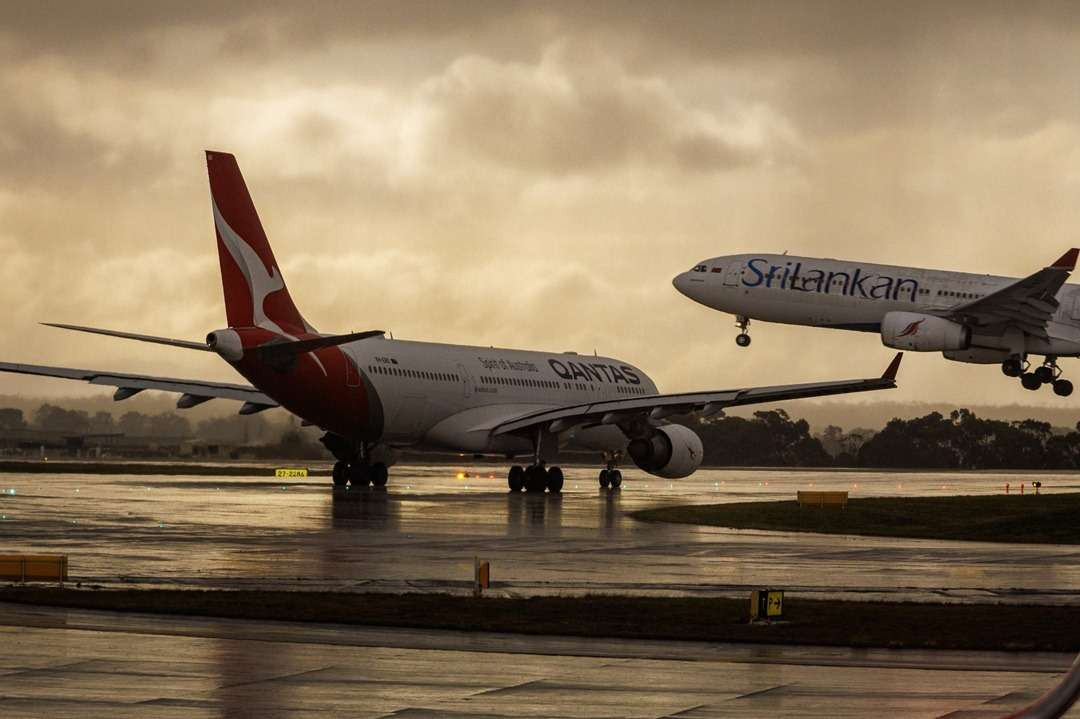
Melbourne Airport’s two runways have served the state well, enabling millions of passengers to travel safely and reliably every year. But with Victoria growing and global travel patterns evolving, demand for flights is increasing. Our existing two-runway system will soon need additional capacity to keep pace.
Melbourne Airport’s Third Runway Project is designed to meet that future demand. By adding a new north-south runway, we can remain reliable at busy times, support more destinations and strengthen the state’s connection to the rest of Australia and the world. It’s about building the right infrastructure now to support Victoria for decades to come.
So, what exactly does the third runway make possible? And why now?
Why aren't two runways enough for Melbourne anymore?
Melbourne Airport handles more aircraft movements than ever, and demand is set to keep growing. While the current two-runway system has served Victoria well for decades, the intersecting layout limits how many aircraft can land or take off at the same time, especially during the busiest periods of the day.
As passenger numbers grow and airlines add more long-haul and international flights, the existing system will eventually reach the point where it can no longer absorb the peaks as efficiently. That means delays can take longer to recover from and adding new flights becomes more challenging without affecting schedules.
Here’s why adding a third runway is essential for future capacity:
The east-west runway intersects with the main north-south runway, which means only one runway can be used for take-offs or landings at any one time. This limits how many aircraft can operate at the same time, particularly during the busiest times of day.
Peak times are becoming more crowded. Long-haul flights, in particular, need specific windows, and those windows are becoming harder to find.
The current flight paths are limited by the surrounding airspace, which slows things down when traffic builds up or weather shifts. Without more flexibility in how flights are sequenced, even small disruptions can ripple through the day.
Without this new runway, pressure on the current system will continue to increase.
How will the third runway change what's possible?
A lot of the pressure on the current system comes down to its layout. With intersecting runways, only one can be used at a time, which means the airfield can end up playing catch-up on busy days. The new runway changes that.
By adding a second north-south runway parallel to existing one, the airport will be able to run more flights at the same time. This shift to a parallel runway system increases capacity in a way that’s smarter, not just bigger. It gives airlines more certainty, gives the airfield more flexibility and helps the whole operation to run more smoothly, even when it’s busy.
Here’s how the third runway changes what the infrastructure can do:
Allows for parallel operations, meaning aircraft can land and depart at the same time, rather than one waiting for the other to clear.
Creates room to spread flights across the day, reducing pressure around peak periods.
Makes it easier to accommodate long-haul services that depend on specific arrival and departure windows.
This is the kind of change that doesn’t just add capacity. It will improve operational efficiency, making operations smoother for airlines, aircraft, and everyone who relies on the airport.
What does more flights mean for travellers?
When more flights can operate each day, the travel experience shifts – not just for one airline or one route - across the whole network. A new runway creates the space for more choice and flexibility over time.
In practice, that could mean:
More direct flights to global destinations that currently require a stopover.
Departure times that fit your schedule, not just what’s available.
The potential for more price competition between airlines, benefitting travellers.
More airlines choosing Melbourne as a gateway to Australia, expanding the options available to travellers.
Most people don’t think about runways when they book a ticket. However, when the system works better, you feel it in the options you have, the price you pay, and how smoothly your trip starts and ends.
How will the third runway help Melbourne's businesses?
It’s not just people heading off on holidays who depend on reliable flight connections. When there’s no room left in the schedule or a flight gets delayed, it doesn’t take long for businesses to feel it. This new runway won’t just help planes move more freely. It will mean:
More freight can move because extra belly space will be available on a wider range of aircraft
Time-sensitive goods can get to their destination faster, whether that’s seafood, medicine or parts
Less disruption during future runway maintenance or airport construction works, thanks to a more flexible three-runway setup
Support for local government areas that rely on airport-related jobs in freight, logistics, education and tourism
Flow-on benefits for researchers, university teams and businesses that need to move people and ideas between countries
In short, Melbourne becomes a more appealing gateway for international suppliers and procurement teams choosing where to base their operations. For the companies that depend on staying connected, this kind of shift makes a real difference.
What makes this new runway important for Victoria's future?
To stay connected and competitive, Victoria needs infrastructure that’s built ahead of demand, not in response to it. The third runway is part of Melbourne Airport’s 20-year Master Plan to guide long-term growth across the airfield and terminal precincts and to meet the future demand.
Here’s why it matters for Victoria:
Helps avoid the delays that slow down business, tourism and freight when the system gets too full
Supports the industries that rely on air travel, from aviation to tech, education and logistics
Makes it easier for global firms to see Melbourne as a place to grow their businesses
Keeps the state economy moving by clearing a path for trade, investment and skilled workers
Helps Victoria keep pace with other global hubs that are also building for the future
A project like this builds confidence for businesses to plan ahead, invest in ideas and create a prosperous future for Victoria.
Recognising local communities
When people live, work and raise families near major infrastructure, getting the engineering right is only part of the job. Big projects like this take time, and they should. After years of community consultation, here’s what’s planned to ensure the runway is delivered responsibly:
Community Health Study to understand potential health impacts from aircraft noise on communities surrounding the airport
Noise Amelioration Plan to support eligible households in the Hume and Brimbank areas most affected by aircraft noise
Noise Sharing Plan to give communities meaningful breaks from aircraft noise outside of peak periods, by using different runway operating modes and flight paths
Cultural Heritage Management Plan guided by Traditional Owners
Habitat restoration and conservation are also part of the plans.
This work is being approached carefully and thoughtfully, with Victorian communities front of mind. The goal is to support growth in a way that keeps Melbourne connected with the world while respecting the people and places that make it home.
If you're curious about how things will unfold or just want to check the details for yourself, there are plenty of ways to do that. Our fact sheets and FAQs are a good place to start, and you can always sign up for updates if you’d rather keep an eye on things as they go.
Prefer to speak to someone? The team is available to at newrunway@melair.com.au.