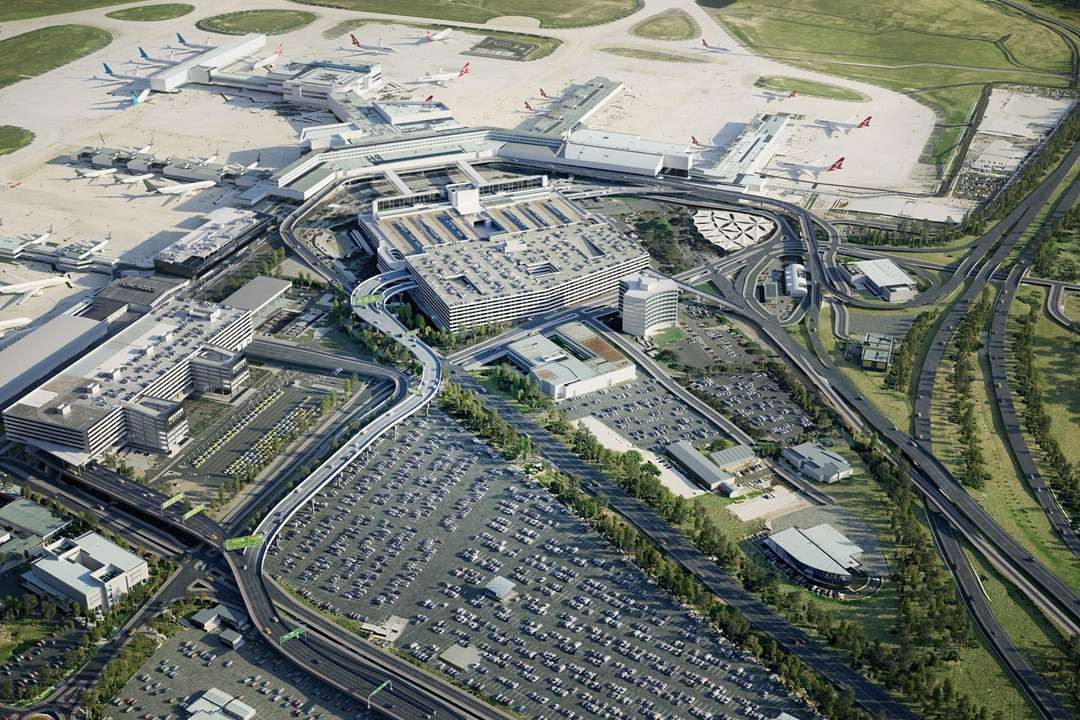
Runways don’t always get the spotlight. However, they’re the heart of any airport. They’re what keep aircraft moving, travellers connected and Victoria’s economy growing. Planning ahead is essential to ensure the runway system remains reliable as aviation demand increases over the coming decades.
That’s the thinking behind Melbourne Airport’s Third Runway Project. Introducing a new runway is about ensuring Victoria has the resilient, long-term aviation infrastructure it needs to protect reliability, support growth and set the state up for the decades ahead. The sort of investment that delivers benefits now and leaves things stronger for future generations.
Why does Melbourne need a bigger gateway to the world?
For years, the intersecting runways at Melbourne Airport have kept things ticking over. But the way they cross means there’s a built-in limit to the number of flights we can handle over a given period of time. Expanding the number of runways has always been part of our long-term vision, and we’re now moving ahead with growing the airport.
Our third runway will create a parallel runway system, because it will have the same orientation as the existing north-south runway. Alongside building an entirely new runway, there will also be changes made to the east-west runway to support the new addition.
Here’s what’s driving the decision:
Melbourne’s population is on track for 6 million by 2032, which means more people coming and going.
By 2042, the number of travellers is set to double from 36 million to 76 million passengers.
Only so many flights can move at any one time when runways cross, but a parallel layout allows take-offs and landings at the same time.
Given 60% of all domestic and short-haul international flights move through Melbourne in the early morning, the airport is getting more congested during this time of day.
Most major airports around the world have already adopted the parallel system as the operational standard. And since we support five of Australia’s 10 busiest domestic flight routes, Melbourne is ready for the same parallel system.
This isn’t the kind of decision made overnight. The Major Development Plan, which took years to develop and was signed off by the Federal Government in September 2024, lays out exactly why this new runway is needed.
How will the new Melbourne Airport runway strengthen global connections?
This new north-south runway is part of a bigger picture, woven through the airport’s 20-year Master Plan. This plan outlines how the airport will continue to grow and meet the needs of travellers over the coming decades. Every upgrade strengthens Melbourne’s links to the rest of the world, opening up opportunities for everyone who depends on those connections.
For travellers
With a parallel runway system, the airport can manage simultaneous take-offs and landings, meaning planes can leave or arrive at the same time. For travellers, this means less waiting on the tarmac, more flights running to time and better odds of catching that connection.
The end result is a smoother trip from check-in to arrival, more choice between airlines, and a better chance of finding a flight and a fare that suits you.
For the local community
A project of this scale calls for real partnership. From the beginning, Melbourne Airport has been working to keep the community’s perspective front and centre, holding more than 50 community engagement sessions over 104 days in 2022. That engagement and communication with community, local government and other stakeholders continues to this day. Those community consultations have – and will continue to – shape the project.
With people from the surrounding suburbs making up around 70 per cent of the Melbourne Airport workforce, the job and business opportunities for the local community will also be important.
For Melbourne businesses
For many local businesses, staying competitive means being able to move people and products reliably, day in and day out. The new runway gives our city’s export, freight and logistics operators the kind of backbone they need to plan ahead with confidence. It’s the kind of step that helps the city stay connected, not just across Victoria, but right across the Australian network and beyond. When the infrastructure keeps up, so do the opportunities for local businesses.
For Victoria's economy
For Victorians, the new runway brings more than smoother holidays. It supports tourism, unlocks trade and helps attract new investment, all while backing jobs for years to come. With the state’s population and demand for travel only growing, a steady hand in our airport’s future keeps the state economy moving and helps make sure opportunities reach every corner of Victoria.
For Australia's aviation network
Airports are part of a web that ties the country together. That’s why Melbourne’s new runway has been planned with the bigger picture in mind.
With increased runway capacity, the airport can recover better from delays and handle higher volumes of traffic without impacting the schedule for other airports. When each hub plays its part, the whole system runs smoother. This is a win for everyone, whether you’re flying across the state or all the way to the other side of the country or the world.
What's being done to balance noise and community impacts?
Aircraft noise isn’t just background sound. It can change how a place feels, day and night. That’s why there’s a steady focus on open planning, honest conversations and making sure the facts are there for everyone to see.
Here’s how Melbourne Airport is going about it:
Noise Sharing Plan: This plan aims to distribute aircraft noise across different communities outside of peak times, offering periods of respite from aircraft noise.
Noise Amelioration Plan: For homes, schools and community buildings impacted the most by aircraft noise, practical help, like improved insulation and double-glazed windows, will be part of the solution. The exact support is being developed now, with a focus on those buildings in Hume and Brimbank that will be most affected.
Community Health Study: An independent, long-term study will monitor health and well-being in the neighbourhoods around the airport.
None of this happens in isolation. These plans and studies are shaped by regular community conversations and are communicated far and wide, with a focus on ensuring the most impacted communities are aware of the coming changes. This way, as Melbourne Airport grows, it does so with respect for the communities living closest to it.
How is Melbourne Airport managing growth responsibly?
Every big project leaves its mark, and it’s important that the new runway is built with care.
Here’s how that’s coming together behind the scenes:
First Nations partnerships: Work is guided by a Cultural Heritage Management Plan, which is approved by the Wurundjeri Woi-wurrung Cultural Heritage Aboriginal Corporation. The plan ensures sacred places are properly recognised and preserved before any work begins.
Protecting flora and fauna: Where impact to sensitive habitats is unavoidable, it’s offset through conservation work and careful site management.
Managing PFAS safely: PFAS, a type of persistent chemical, requires careful handling. Strict processes are in place for ongoing monitoring and management of PFAS at Melbourne Airport to keep things safe for people and the environment.
Managing greenhouse gas emissions: Building a new runway, taxiways and other associated infrastructure requires significant earthworks. We’re focusing on ways to reduce the greenhouse gas emissions footprint throughout the construction process.
Sustainable growth requires careful planning and responsible delivery. Through strong partnerships and rigorous environmental management, we aim to deliver infrastructure that supports Victoria’s growth while preserving the values and assets that matter most.
When will the new runway be ready?
Nobody wants to rush something as important as this. There’s a lot that has to happen behind the scenes, from careful procurement and early planning, right through to the last safety checks before the first plane taxis onto the new runway. That’s how you make sure what gets built today is still serving travellers decades from now.
Here’s the road ahead, step by step:
2024 – Federal Government approved the project
2025 – Preliminary works began, laying the early groundwork for the new runway
2026 – Main construction works across the site are expected to start
2030 – Testing and operational checks to make sure every detail is in order
2031 – First flights on the new runway
With any project of this size, you can expect a few dates to move as things unfold. But the principle is always the same: take your time, do it right and leave something that works just as well in the future as it does on day one.
Keeping Melbourne's gateway to the world ready for the future
Progress worth having is rarely rushed, and a project like Melbourne Airport’s new runway is no exception. Each stage is guided by careful planning and respect for the people and places that make Victoria what it is. The goal is always the same: to keep Melbourne’s gateway strong, reliable and ready for the future.
But if there’s one thing experience teaches, it’s the importance of asking questions, sharing feedback and staying informed, especially when it comes to something that matters to so many people.
If you’d like to keep an eye on how things unfold, you can check the FAQs, sign up for updates, or get in touch with us at newrunway@melair.com.au.