The approval of Melbourne Airport’s Third Runway project marked a major milestone for Victoria with the new runway set to unlock much-needed aviation infrastructure capacity for the state and help support thousands of new jobs.
Signed off by the Federal Government in September 2024, the approval of the third runway came with a set of conditions that shape what happens next, not just in the air, but on the ground where people live.
What Do the Melbourne Airport Third Runway Approval Conditions Mean for Local Communities?
The conditions of approval for Melbourne Airport’s third runway are designed to give local communities a say throughout the project’s development, and to limit the impacts of additional aircraft noise where possible.
In this article, we’ll provide information about some of the key approval conditions that affect communities around Melbourne Airport. These include:
A Noise Sharing Plan designed by independent consultants to distribute flights across different areas and give communities periods of respite from aircraft noise
The Eastern Extension Project which will support noise sharing strategies
A Noise Amelioration Plan and Program to help mitigate the impacts of aircraft noise in eligible homes and buildings most affected in Hume and Brimbank
A long-term independent Community Health Study that will collect data before Melbourne Airport’s third runway opens and for 20 years after
Environmental conditions to minimise the impacts of the project on flora and fauna, manage PFAS and protect Indigenous and European cultural heritage.
How Will Aircraft Noise Be Shared Across Nearby Areas?
When the new runway becomes operational, some areas will experience more noise, some areas will experience less noise, and others will notice aircraft noise for the first time.
One of the approval conditions for the third runway is the requirement to develop a Noise Sharing Plan, with the aim of giving communities meaningful breaks from aircraft noise.
Currently in development by independent experts, Trax and GHD, the Noise Sharing Plan explains how aircraft noise can be shared across different areas by varying how runways are used outside of peak periods and when weather conditions allow.
This could include:
Using different runway operating modes at different times, outside of peak periods and when weather conditions allow
Using different flight paths when operating modes change, so aircraft don’t follow the same routes day after day
Increasing the number of available operating modes from eight to up to 14 so when the new runway opens, there will be more opportunities to spread aircraft movements and provide periods of respite from aircraft noise.
This doesn’t mean there will be no aircraft noise, but it does mean that communities won’t be continuously exposed to aircraft noise over long periods.
Before any detailed design of flight paths is finalised, the Noise Sharing and Airspace Concept Plan must be reviewed and endorsed by Airservices Australia. It then goes to the Federal Government for approval, providing independent oversight as the plan moves forward.
What Will Happen to the Existing Runways?
To build the third runway, the existing east-west runway (Runway 09/27) needs to be shortened at its western end from 2,286 metres to 1,940 metres during construction.
But this change is temporary.
The new runway’s approval conditions require Melbourne Airport to restore the runway to its original length on the eastern end of the runway. This is called the Eastern Extension Project. This is one of the ways that noise sharing will be implemented.
The east-west runway operating at its full length gives air traffic controllers more options to share aircraft movements across different directions. That flexibility supports noise sharing across communities, rather than concentrating noise in one area.
What Support Will Be Provided for Homes, Schools and Health Facilities Most Affected by Aircraft Noise?
For some homes and facilities close to the airport, noise sharing alone won’t be enough. The third runway approval conditions also include direct, practical support for homes and buildings in the Hume and Brimbank local government areas expected to experience higher levels of aircraft noise when the new runway is operational.
This support is delivered through a Noise Amelioration Plan, which focuses on reducing how much aircraft noise is heard in places where people live, learn and receive care.
It is required to be delivered to specific areas where significant noise is projected by Melbourne Airport’s Australian Noise Exposure Forecast (ANEF). Melbourne Airport is working on an updated ANEF that includes the latest development and growth forecasts. It will be ready in mid-2026.
The project will include targeted upgrades to eligible homes, schools, health facilities and childcare centres. Building treatments might include improved acoustic insulation and upgraded windows, doors, vents and seals.
The program will run for a minimum of 12 years, and the owners of eligible homes and buildings can choose to opt in or not.
The plan is being developed through community consultation and engagement with local councils and relevant government agencies and must meet Australian standards for reducing aircraft noise indoors. Not every property will be eligible, and some buildings may have limits on what can be done due to planning or heritage controls. Where that’s the case, options will be considered carefully to achieve the best possible outcome.
Once the plan is approved by the Federal Government, people in eligible homes and facilities will be contacted directly and guided through the process, including which treatments are recommended, how works will be delivered and how questions or concerns can be raised.
How Will Community Health Be Considered?
The approval conditions require a long-term look at how aircraft noise associated with the third runway might affect the health and wellbeing of communities over time.
To meet this condition, a Community Health Study will be carried out by independent community health experts.
The study’s Terms of Reference, developed by Liverpool and Deakin universities, have now been approved by the Federal Government. Other independent health experts will be appointed to lead the study.
Data collection will take place before the new runway begins operations and for 20 years after. Publicly accessible annual reports will be presented to explain the findings to the Community Aviation Consultation Group and published on Melbourne Airport’s website.
What's Being Done to Manage Environmental Impacts?
From preliminary works through to construction and future operation, strict approval conditions for the third runway set out how land, water and ecosystems must be managed, monitored and independently checked. These requirements apply before the new runway and connecting taxiways are built and will continue throughout the life of the project.
Flora and fauna considerations: The approval places limits on vegetation clearing and requires native plants and animals to be protected before works begin. This includes exclusion fencing, fauna relocation by qualified ecologists, ongoing habitat management and biodiversity offsets where impacts can’t be avoided.
PFAS management: PFAS are managed under a dedicated approval condition that applies during construction and continues into the operational life of the third runway. Known areas are monitored, impacted materials are handled under approved controls, and stormwater systems are designed to prevent PFAS from moving into local waterways, supported by regular testing and reporting.
Alongside these measures, there are also steps to protect Indigenous and European cultural heritage. These Cultural Heritage Management Plans and heritage salvage programs must be completed before construction begins, with Traditional Owners, heritage specialists and regulators overseeing how sites and artefacts are identified and preserved.
Stay Informed As the Third Runway Project Moves Forward
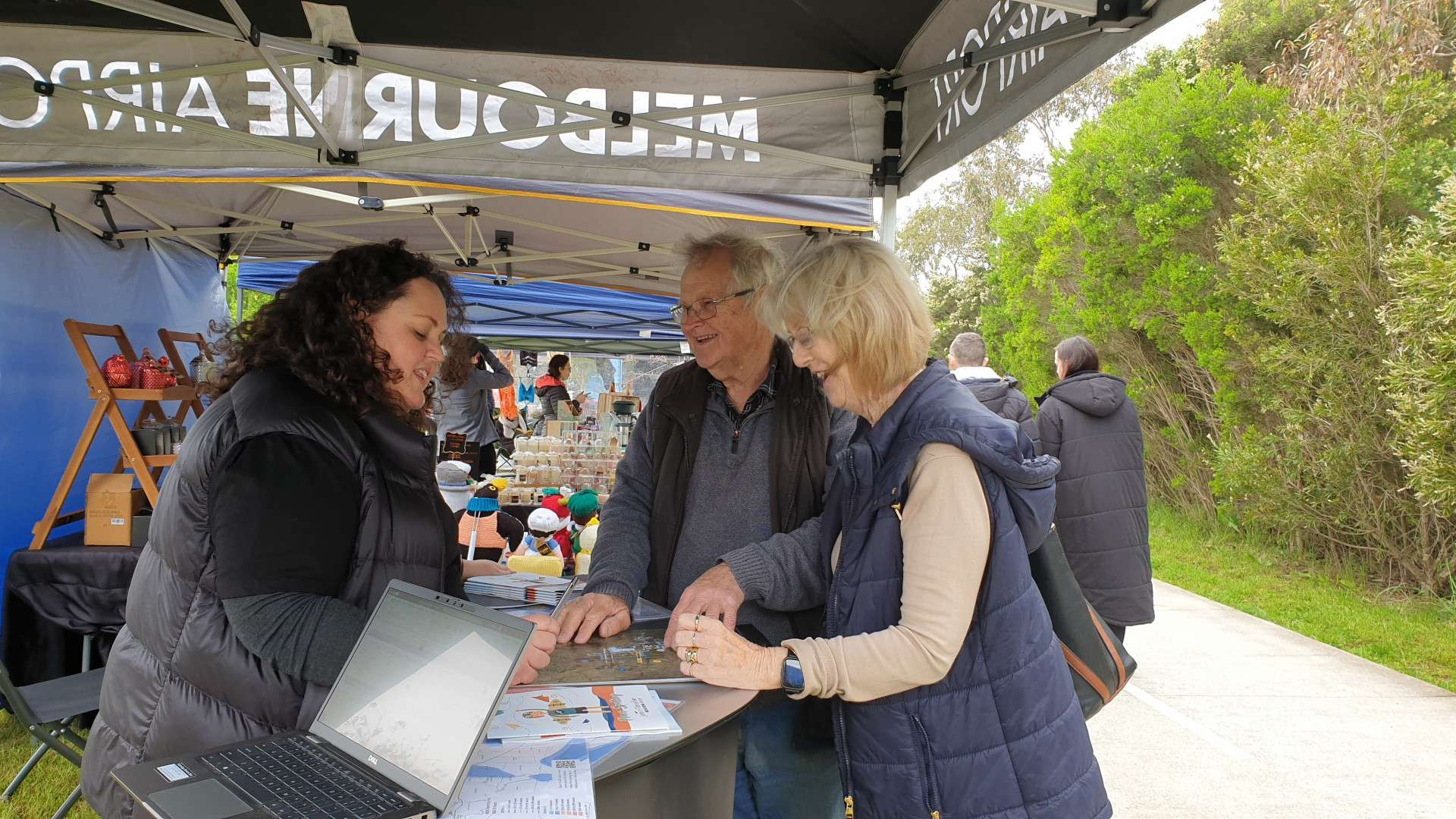
If you’d like to stay across the third runway as the project progresses, you can read the latest fact sheets for clear, plain-language updates on various topics. You can also sign up for newsletter updates on our major projects. If you have a question or want to share feedback at any point, you’re welcome to email us directly at newrunway@melair.com.au.